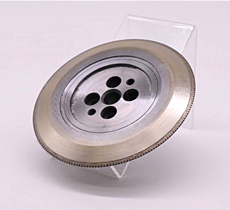
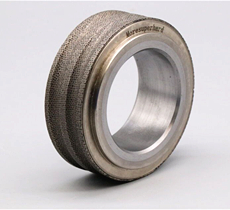
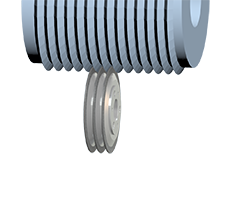
In the demanding world of precision manufacturing, diamond rotary dressers serve as critical components for achieving and maintaining the exceptional accuracy required in modern CNC grinding applications. These specialized tools play an essential role in dressing grinding wheels to precise geometries, directly impacting the quality, consistency, and performance of finished components across diverse industries including automotive, aerospace, defense, and general manufacturing.
The Critical Role of Diamond Rotary Dressers in Precision Manufacturing
Diamond rotary dressers represent a cornerstone technology in CNC grinding operations, enabling manufacturers to achieve unprecedented levels of precision and consistency in their grinding processes. The dressing process directly influences grinding wheel geometry, cutting performance, and ultimately the quality of workpieces being manufactured. As manufacturing tolerances continue to tighten and quality requirements become increasingly stringent, the performance and reliability of diamond rotary dressers have never been more critical to operational success.
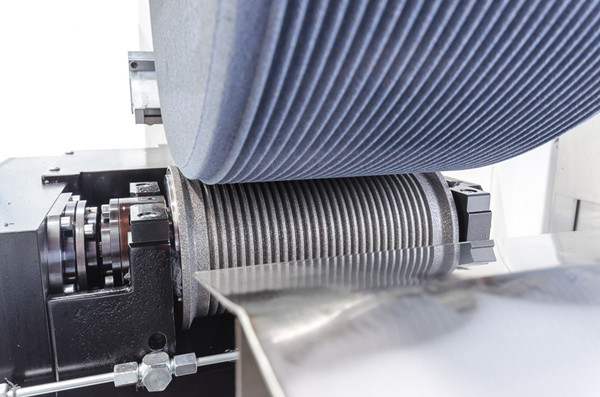
Why Precision Dressing Matters
The dressing process serves multiple essential functions in CNC grinding operations:
- Geometry Control: Establishing and maintaining precise wheel profiles for complex workpiece geometries
- Sharpness Management: Ensuring optimal cutting edge sharpness for efficient material removal
- Surface Finish Quality: Directly influencing the surface finish characteristics of ground components
- Wheel Life Optimization: Balancing dressing frequency with wheel life to maximize productivity
- Process Stability: Maintaining consistent grinding performance across production runs
Comprehensive Performance Validation Framework
Rigorous performance validation represents the foundation of quality assurance for diamond rotary dressers. Through systematic testing and measurement protocols, manufacturers can verify that dressers meet the demanding requirements of modern CNC grinding applications while ensuring consistent performance across production environments.
Initial Quality Assessment Protocol
The validation process begins with comprehensive initial quality assessment, establishing baseline measurements for critical performance parameters:
- Radial Runout: Measured to verify concentricity and geometric accuracy
- Axial Runout: Assessed to ensure proper wheel face orientation
- Profile Accuracy: Validated against specified tolerance requirements
- Surface Quality: Evaluated for proper cutting edge characteristics
This initial assessment provides essential baseline data for performance tracking and quality assurance throughout the dresser's service life.
CNC Dressing Requirements
Modern CNC grinding applications demand exceptional precision from dressing operations. Key requirements include:
- Maximum Total Runout: Maintained within ultra-tight tolerances (typically 0.003mm or better)
- Profile Holding Capability: Ensuring consistent geometry throughout dressing cycles
- Surface Quality Consistency: Delivering uniform wheel face quality across dressing operations
- Dimensional Stability: Maintaining accuracy under varying machining conditions
These requirements reflect the exacting standards demanded by high-precision manufacturing applications where component quality directly impacts performance, reliability, and safety.
Performance Testing Under Real-World Conditions
Validating diamond rotary dresser performance requires comprehensive testing under conditions that simulate actual manufacturing environments. This systematic approach ensures that dressers will deliver consistent performance in production applications.
Test Equipment and Setup
Performance validation typically involves:
- CNC Grinding Machines: Modern equipment with precise control capabilities
- Standard Grinding Wheels: Consistent wheel specifications for reproducible testing
- Measurement Equipment: Precision instruments for accurate data collection
- Environmental Controls: Maintaining stable testing conditions
This controlled testing environment enables reliable performance assessment while minimizing variables that could affect results.
Standardized Test Parameters
Validation testing employs carefully controlled parameters to ensure meaningful and reproducible results:
- Wheel Specifications: Consistent wheel dimensions, abrasive type, and characteristics
- Operating Speeds: Realistic rotational speeds matching production conditions
- Feed Rates: Controlled dressing feed rates representing typical applications
- Cut Depths: Incremental material removal simulating production operations
These standardized parameters enable accurate performance assessment while ensuring relevance to actual manufacturing conditions.
Performance Characterization and Analysis
Comprehensive performance validation requires detailed analysis of multiple factors that influence dresser performance and service life.
Precision Metrics and Measurements
Critical performance parameters typically include:
- Geometric Accuracy: Measurements of radial and axial runout throughout testing
- Profile Consistency: Evaluation of form accuracy maintenance over multiple dressing cycles
- Surface Quality: Assessment of wheel face finish and cutting edge characteristics
- Dimensional Stability: Tracking of dimensional changes throughout extended use
These metrics provide essential insights into dresser performance and reliability under extended use conditions.
Service Life and Durability Assessment
Service life evaluation focuses on:
- Total Dressing Capacity: Measurement of total material removal capacity
- Performance Degradation: Analysis of how performance changes over time
- Wear Characteristics: Evaluation of wear patterns and their impact on performance
- Failure Mode Analysis: Understanding performance limits and failure mechanisms
This comprehensive assessment enables prediction of dresser service life under various operating conditions.
Industry-Specific Applications and Requirements
Different industries impose unique requirements on diamond rotary dresser performance based on their specific applications and quality standards.
Automotive Manufacturing
Automotive applications demand:
- High Volume Production: Consistent performance over extended production runs
- Tight Tolerances: Exceptional precision for engine and transmission components
- Cost Efficiency: Optimal balance between performance and operational costs
- Process Reliability: Minimal downtime for dresser changes
Aerospace Components
Aerospace requirements include:
- Ultra-Precision: Exceptional accuracy for critical flight components
- Material Compatibility: Performance with advanced aerospace materials
- Certification Compliance: Meeting rigorous industry quality standards
- Traceability: Complete documentation of quality and performance
Defense Applications
Defense and military applications require:
- Exceptional Reliability: Consistent performance under demanding conditions
- High Security: Controlled distribution and documentation processes
- Stringent Standards: Meeting the most demanding quality requirements
- Long-term Performance: Reliable service over extended periods
General Manufacturing
Broader manufacturing applications need:
- Versatility: Performance across various materials and applications
- Cost Effectiveness: Optimal performance for investment
- Ease of Use: Simple integration into existing processes
- Technical Support: Access to application expertise and assistance
Quality Assurance and Process Control
Effective quality assurance systems ensure consistent diamond rotary dresser performance through rigorous process controls and verification procedures.
Manufacturing Process Controls
Quality begins with precise manufacturing:
- Raw Material Selection: High-quality diamond abrasives and bonding materials
- Precision Manufacturing: Controlled processes for consistent quality
- Inspection Protocols: Comprehensive testing at multiple production stages
- Documentation: Complete traceability of manufacturing processes
Performance Verification
Comprehensive verification includes:
- Initial Certification: Validation against specification requirements
- Periodic Testing: Ongoing performance verification throughout service life
- Customer Validation: Testing in actual application environments
- Continuous Improvement: Feedback-driven quality enhancements
Selecting the Right Diamond Rotary Dresser
Choosing appropriate diamond rotary dressers requires careful consideration of multiple factors to ensure optimal performance in specific applications.
Application Requirements Analysis
Key considerations include:
- Workpiece Material: Compatibility with materials being ground
- Precision Requirements: Tolerance and surface finish specifications
- Production Volume: Expected usage and replacement frequency
- Equipment Compatibility: Integration with existing CNC equipment
Technical Specifications Evaluation
Important specification factors:
- Diamond Grade: Abrasive quality and characteristics
- Bond System: Bond material and properties for application requirements
- Geometry Design: Profile configuration for specific applications
- Mounting Requirements: Compatibility with dressing equipment
Future Trends in Diamond Dressing Technology
The industry continues to evolve with several key trends shaping the future of diamond rotary dressing technology.
Advanced Materials Development
Ongoing innovations in:
- Enhanced Diamond Grades: Improved abrasive performance and longevity
- Optimized Bond Systems: Better performance in specific applications
- Composite Materials: Hybrid solutions combining multiple material benefits
- Environmental Sustainability: Eco-friendly manufacturing processes
Smart Technology Integration
Emerging capabilities include:
- IoT Monitoring: Real-time performance tracking and prediction
- Automated Dressing: Integrated control systems for optimal results
- Data Analytics: Performance optimization through advanced analysis
- Predictive Maintenance: Anticipating dresser replacement needs
Industry 4.0 Compatibility
Future developments focus on:
- Digital Integration: Seamless connection with smart manufacturing systems
- Automated Quality Control: Real-time quality monitoring and adjustment
- Process Optimization: AI-driven dressing parameter optimization
- Supply Chain Integration: Connected inventory and procurement systems
Technical Support and Application Expertise
Maximizing diamond rotary dresser performance requires access to comprehensive technical support and application expertise.
Application Engineering Services
Essential support includes:
- Process Optimization: Assistance in optimizing dressing parameters
- Troubleshooting: Expert diagnosis and resolution of performance issues
- Training: Education on proper use and maintenance procedures
- Custom Solutions: Tailored products for specific application needs
Quality Partnership Approach
Successful implementation involves:
- Collaborative Development: Working together to optimize applications
- Ongoing Support: Continuous assistance throughout product life cycle
- Performance Monitoring: Regular performance assessment and optimization
- Feedback Integration: Customer input driving product improvements
Conclusion: Excellence in Precision Dressing
Diamond rotary dressers represent critical enabling technology for precision CNC grinding operations. Through rigorous performance validation, quality manufacturing processes, and comprehensive technical support, manufacturers can achieve exceptional results in even the most demanding applications.
As manufacturing tolerances continue to tighten and quality requirements become increasingly stringent, the importance of high-performance diamond rotary dressers cannot be overstated. By investing in quality products backed by thorough validation and expert support, manufacturers can ensure the precision, consistency, and reliability required to succeed in today's competitive global marketplace.
The future of precision manufacturing depends on the continued advancement of dressing technology, with diamond rotary dressers playing an essential role in enabling the next generation of manufacturing excellence across diverse industries worldwide.