NEWS
13
Oct

How to Choose a Grinding Wheel Dressing Machine

Share:

Why the Right Dressing Machine Matters More Than You Think


A grinding wheel that is not properly dressed will not hold profile, will burn the workpiece, will wear unevenly, and will destroy the surface finish you worked to achieve. The dressing machine is the equipment that re-shapes, sharpens, and cleans the wheel between cycles—and yet it is one of the most commonly under-specified investments in a grinding shop. Buying the wrong machine means it will not accept your wheel range, cannot hold the profile tolerance you need, or demands more operator time than you can afford. This guide walks through the eight questions you must answer before you request a quotation, so the machine you order matches your wheels, your process, and your production volume.


1. Wheel Mounting and Dressing Method


The first decision is whether your wheels are dressed individually at the wheel manufacturer’s facility, or dressed mounted on the grinding wheel spindle or shaft. If wheels are dressed individually, the dressing builder will need to know whether they must supply a compatible arbor or spindle. If the spindle you already use must fit the dressing machine, provide its specifications, model, dimensional drawings, and ideally a physical sample so the receiving fixture can be custom-built. Mismatches between the spindle and the dressing machine’s mounting system are the most common cause of profile-runout problems after installation.


2. Wheel Dimensions and Weight Range


Dressing machines are sized to a specific wheel envelope. Collect the following data before you talk to a builder:
  • Maximum and minimum wheel diameters you will dress.
  • Range of wheel thicknesses (face widths).
  • Wheel weight—this determines spindle drive stiffness and fixture rigidity.
  • Range of bore diameters, and how many different bore sizes you require if wheels are dressed individually.
  • Whether both end faces of every wheel need to be dressed (some shops dress only the working periphery).


3. Dressing Profile, Allowance, and Tolerance


This is the technical heart of the quotation. Send the builder all relevant wheel drawings, clearly marked to show:
  • Which areas of the wheel need dressing (periphery, face, corner radius, form).
  • Required dressing width and profile shape (straight, radius, thread, form roll).
  • Dressing allowance—how much material must be removed per cycle.
  • Which areas carry precision requirements, and the tolerance for each.
The same machine cannot dress a rough snagging wheel to a 0.005 mm form tolerance and a surface-grinding wheel to a mirror-like finish—expect the builder to price different axes, feedback resolution, and dressing tooling accordingly.


4. Acceptance Criteria


Provide the wheel drawings and technical specifications that will serve as the acceptance standard for dressed wheels. Without a written acceptance document, both sides will disagree on whether a wheel is "good" after the machine is installed. Define form tolerance, runout, surface condition of the abrasive layer, and dressing-cycle count.


5. Machine Enclosure


Choose the enclosure that matches your process and workplace:

Enclosure Type Best For Trade-offs
Fully enclosed Wet grinding, dust extraction, hazardous materials, operator safety Larger footprint, loading access via doors
Semi-enclosed General-purpose dry or wet dressing, easy operator access Moderate dust/coolant containment
Fully open Large wheels, frequent loading, low-dust processes No containment; lowest cost


6. Grinding Method and Cooling / Dust Extraction


Tell the builder whether dressing will be wet or dry. Wet dressing needs an optional liquid-coolant system with filtration and a chip conveyor; dry dressing needs a dust-extraction system sized to the abrasive type (silicon carbide, aluminum oxide, CBN, diamond each have different dust loads). Skipping this requirement is a common reason a "good" machine underperforms in production.


7. Level of Automation


Match the automation level to your production volume and wheel variety:

Automation Level Best For
Manual operation Low-volume job shops, single-wheel setup, prototyping
1-axis CNC Straight-face dressing with consistent feed
2-axis CNC Periphery plus radius dressing, repeating profiles
3-axis CNC Form dressing, contour wheels, medium-volume production
5-axis CNC Complex forms, thread wheels, high-precision production
Fully automatic CNC High-volume wheel shops, automatic wheel exchange, unattended operation
Semi-automatic / partially CNC Mixed production, operator-guided setups

Over-buying automation wastes capital; under-buying it creates operator bottlenecks. A wheel shop running 50 dressings a day on a few standard profiles does not need a 5-axis machine—but a shop running custom form wheels for bearing or screw production does.


8. Budget Target


Be honest about your target budget. Dressing machines range from small manual stations to fully automatic CNC cells. Giving the builder a budget band allows them to recommend the right model rather than quote an over-specified machine you cannot afford.


Common Dressing Problems—and How the Right Machine Prevents Them


A dressing machine is only as good as the problems it prevents. In shops that have run under-specified stations for years, the same issues recur: wheels that hold profile for only a few parts before drifting; chatter marks transferred to the workpiece; uneven wear across the wheel face; and dressing cycles that take longer than the grind itself. These are not wheel problems—they are machine problems. A properly specified dressing station with adequate spindle stiffness, in-feed resolution matched to your form tolerance, and the correct enclosure and coolant extraction prevents all four. When you answer the eight questions above honestly, the builder can size the machine so it does not become the bottleneck in your grinding cell.


Dressing Tooling: What the Machine Carries


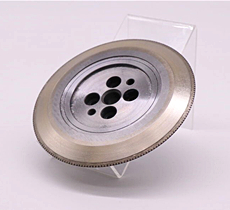
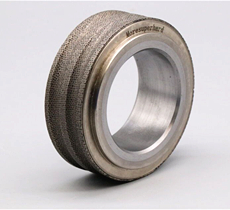
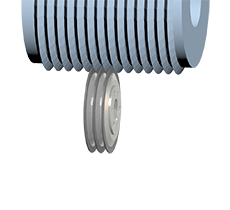
Beyond the machine itself, confirm what dressing tooling the station will use: single-point diamond pens for straightforward face truing; cluster diamond tools for higher metal-removal rates; rotary diamond dressing rolls for form and profile dressing; and crush rolls for high-volume form production. The choice depends on wheel type (resin, vitrified, metal bond), abrasive (aluminum oxide, silicon carbide, CBN, diamond), and the form accuracy required. A shop running CBN and diamond wheels needs dressing rolls matched to those superabrasives—conventional silicon-carbide dressing sticks will not hold profile on a CBN wheel for long.


Timeline: What to Expect From a Dressing-Machine Purchase


After you send the eight-point information package, the typical process is: technical review within a few days, a quotation with model recommendation, fixture and spindle drawings to confirm, lead time for build, installation and trial dressing on your wheels, and acceptance testing against the agreed criteria. Shops that skip the acceptance-document step often face weeks of finger-pointing after delivery. Set the acceptance standard in writing before the machine is built, and the whole project moves smoothly.


What We Offer


We supply diamond dressing tools and rotary dressers for every class of grinding wheel—single-point diamond pens, cluster dressers, diamond rolls, and form rolls—and we support shops that are specifying a new dressing machine by helping translate your wheel drawings, profile tolerances, and volume into the right dressing tooling. Whether you need a replacement dresser for an existing station or are commissioning a new CNC dressing cell, send us your wheel specifications and current process; we will recommend the right diamond dressing tool and process parameters.


Frequently Asked Questions


Q: What is a wheel dressing machine?
A: A wheel dressing machine is a dedicated station that true, sharpen, and clean a grinding wheel after use. It removes dull abrasive grains and bonding material, restores the wheel profile, and opens the cutting surface so the wheel cuts cleanly again.

Q: Should wheels be dressed individually or on the spindle?

A: Dressing on the spindle ensures the wheel matches the exact runout condition of the machine. Individual dressing at the wheel shop is common for standardized wheels; provide the spindle specifications and a sample arbor so the dressing fixture fits.

Q: What automation level do I need?

A: Manual for low-volume job shops; 2-3 axis CNC for medium-volume profile dressing; 5-axis or fully automatic for form, thread, or high-volume wheel production. Match the machine to the number of dressings per day and the profile complexity.

Q: Do I need wet or dry dressing?

A: Wet dressing is required for fine finishing and dust control; dry dressing needs a properly sized dust-extraction system. Tell the builder your abrasive type and process so the coolant or extraction is correctly sized.

Q: What information should I send to get a quotation?

A: Wheel diameter/thickness/bore range, wheel weight, dressing drawings with profiles and tolerances, wet/dry process, enclosure preference, automation level, and budget. The more detail, the more accurate the quotation.

Q: How often should a grinding wheel be dressed?

A: Dress when surface finish deteriorates, grinding force rises, or burn marks appear. The interval depends on wheel type, material, and cut—but consistent in-process dressing prevents expensive workpiece scrap and extends wheel life.
 
FOLLOW US
This Blog keeps our valued customers informed of important Radiac News and Events, and in the industries we serve.
Copyright © 2003-2023 More SuperHard Products Co., Ltd
Home
Whatsapp
E-mail
Inquiry